Gidok: A Fun and Friendly Display Font for Modern Creativity
Typography plays a crucial role in how we communicate visually. From branding to web design, the right font can transform an idea from ordinary to extraordinary. Enter Gidok, a display font that combines charm, clarity, and character in a way that resonates with today’s creative professionals. Designed with both aesthetics and functionality in mind, Gidok is more than just another typeface—it's a versatile tool that helps bring your visual message to life.
What Makes Gidok Unique?
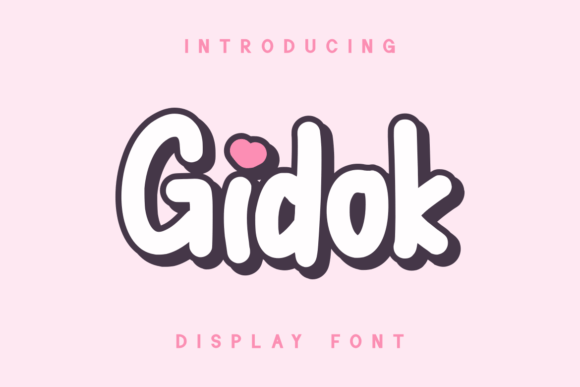
At first glance, Gidok stands out with its warm and inviting personality. It features rounded edges, playful curves, and a slightly informal tone that makes it perfect for projects requiring a friendly yet polished look. Unlike many display fonts that lean too heavily on ornate or stylized elements, Gidok maintains a balance between fun and professionalism. This duality is what makes it particularly appealing across various industries and applications.
The font’s design is rooted in readability without sacrificing style. Each letterform has been carefully crafted to ensure legibility at different sizes, while still maintaining a sense of whimsy. Whether you're creating a logo, designing a website header, or producing social media content, Gidok adapts well and enhances the overall visual appeal.
Gidok in the Context of Modern Design Trends
In recent years, there has been a noticeable shift toward more approachable and human-centric design in digital and print media. Users are drawn to brands and platforms that feel personal and authentic. This trend aligns perfectly with Gidok’s characteristics—its friendly nature supports the growing preference for designs that foster connection and trust.
Moreover, as remote work and digital communication continue to dominate our professional lives, the importance of typography in user experience (UX) has only increased. Fonts like Gidok help create interfaces and marketing materials that are not only functional but also emotionally engaging. In this context, Gidok serves as a bridge between form and function, allowing designers to express creativity while maintaining usability.
A Versatile Tool Across Industries
- Marketing and Branding: Gidok’s cheerful appearance works well for lifestyle brands, cafes, and educational institutions looking to convey a welcoming vibe.
- Web and App Design: Its clean lines and adaptability make it suitable for call-to-action buttons, headings, and app icons where clarity meets personality.
- Graphic Design: Illustrators and designers often use Gidok in posters, flyers, and promotional materials to add a touch of warmth and originality.
- Social Media Content: For bloggers and influencers, Gidok adds flair to captions, titles, and infographics, helping their content stand out in crowded feeds.
As the demand for unique, expressive fonts grows, so does the need for options that don’t compromise on quality. Gidok offers precisely that—a font that feels fresh, modern, and adaptable without being overused or clichéd.
Why Gidok Is Gaining Popularity
Several factors contribute to Gidok’s rising popularity among designers and businesses alike. First, the accessibility of high-quality fonts through platforms like Google Fonts and Adobe Fonts has lowered the barrier to entry for using display fonts effectively. As a result, more creators are experimenting with typography to differentiate their work.
Second, the current emphasis on user experience and inclusive design means that fonts must be both stylish and easy to read. Gidok achieves this by offering a balanced mix of boldness and softness. It doesn’t overwhelm the viewer, which is essential when trying to maintain focus on the message rather than the medium.
Third, the rise of minimalism in design hasn’t eliminated the need for expressive typography; instead, it has created a new space for fonts like Gidok that provide subtle character without excessive ornamentation. This makes it ideal for logos, headlines, and other focal points where impact matters but clutter should be avoided.
Real-World Applications of Gidok
Let’s take a closer look at how Gidok is being used in real-world scenarios:
- Educational Platforms: Many online learning platforms use Gidok in course titles and welcome messages to create a positive and encouraging environment for students.
- Restaurant Menus: Cafés and bistros have adopted Gidok for menu headers and signage, leveraging its friendly aesthetic to enhance customer experience and brand identity.
- Mobile App Interfaces: Developers choose Gidok for UI elements such as navigation menus and feature highlights because it reads clearly and feels modern.
- Printed Merchandise: T-shirt designs, posters, and greeting cards benefit from Gidok’s lively appearance, making them more eye-catching and shareable.
These examples highlight how Gidok isn't limited to one niche. Its flexibility allows it to fit into multiple contexts, proving that thoughtful typography can be a powerful asset in diverse settings.
Practical Implications for Designers and Businesses
For professionals who rely on strong visual storytelling, Gidok presents an opportunity to elevate their work. It’s particularly useful for those aiming to build a brand image that feels relatable and trustworthy. The font’s versatility ensures it can be used consistently across multiple platforms—from websites to packaging—without losing its effectiveness.
Businesses can also benefit from incorporating Gidok into their marketing collateral. When paired with the right color schemes and imagery, it can help reinforce key messages and evoke the desired emotional response. For instance, a wellness startup might use Gidok in its promotional banners to project a sense of ease and positivity, while a tech company could adopt it for community events or blog posts to appear more approachable.
Freelancers and hobbyists will appreciate how Gidok simplifies the design process. Instead of sifting through hundreds of fonts, they can confidently choose Gidok knowing it will complement most styles and purposes. Its availability in multiple weights and variations further expands its utility, enabling designers to craft layered typographic compositions with ease.
Choosing the Right Style for Your Project
While Gidok is inherently friendly, the specific style you select can significantly affect the tone of your design. Here’s a quick guide to choosing the best variant for your needs:
- Bold Variants: Ideal for headlines and large-scale displays where attention-grabbing is key.
- Light or Medium Styles: Better suited for body text in certain cases or smaller text elements that require subtlety.
- Italic Forms: Great for adding movement or highlighting phrases without disrupting the flow of information.
Always consider the purpose of your project before selecting a font weight or style. While Gidok is designed to be flexible, the right choice can make a big difference in how your message is perceived.
Design Tips for Using Gidok Effectively
To get the most out of Gidok, follow these practical guidelines:
- Contrast Matters: Pair Gidok with a complementary sans-serif or serif font to avoid monotony. Use it for headlines and let a simpler font handle body copy.
- Color Considerations: Because of its light and open forms, Gidok looks best against solid backgrounds or with sufficient contrast. Avoid using it on overly busy or low-contrast visuals.
- Spacing and Kerning: Display fonts often require careful spacing adjustments. Ensure that characters sit comfortably together to preserve the font’s charm without compromising legibility.
- Use Sparingly: Like any display font, Gidok is best reserved for short bursts of text. Overuse can dilute its impact and make the design feel less refined.
By applying these tips, you can ensure that Gidok remains a standout element in your design rather than a distraction. The goal is to enhance your message, not overshadow it.
How to Access and Implement Gidok
Getting started with Gidok is straightforward. Most font marketplaces offer it in various formats, including TTF and OTF, ensuring compatibility with both desktop and web-based tools. Once downloaded, it can be easily integrated into Adobe Creative Suite, Figma, Canva, or even Google Docs for quick mockups and presentations.
For web developers, Gidok can be added via CSS by linking to its hosted version or embedding it directly. With support for Unicode and multilingual characters, it’s also a great option for international audiences.
Gidok and the Future of Typography
As design continues to evolve, so do the expectations around typography. Users now demand more than just readable text—they want experiences that resonate on a personal level. Fonts like Gidok are part of a broader movement toward human-centered design, where the emotional tone of a message is as important as its content.
This shift is especially evident in branding and UX design, where the font choice can influence everything from brand perception to user engagement. Gidok’s ability to blend friendliness with professionalism positions it well to meet these changing demands. It’s not just a font; it’s a strategic design decision that can shape how people interact with your work.
Additionally, with the increasing popularity of mobile-first design, fonts must perform well on smaller screens. Gidok’s clean construction and consistent stroke width make it an excellent candidate for responsive layouts, ensuring that your typography looks great whether viewed on a phone or a desktop monitor.
Final Thoughts on Incorporating Gidok Into Your Workflow
In a world where visual communication is king, having access to a font like Gidok can give you a distinct advantage. Its combination of playfulness and professionalism makes it a go-to choice for designers who want to make a statement without shouting. Whether you’re crafting a logo, designing a presentation, or developing a brand identity, Gidok offers the perfect blend of style and substance.
As trends continue to favor fonts that reflect authenticity and approachability, Gidok is poised to remain a favorite for years to come. By understanding its strengths and limitations, you can harness its potential to create compelling, memorable designs that connect with your audience in meaningful ways.
So, if you haven’t already explored Gidok, now might be the perfect time. Experiment with it in your next project and see how it can help you bring your creative ideas to the highest level—without losing sight of the message you want to deliver.