Oscarios: A Stylish Display Font for Modern Designers
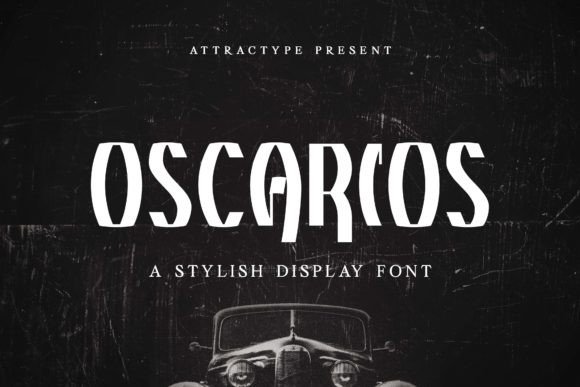
Typography plays a crucial role in design, influencing everything from brand identity to user engagement. Among the many fonts available today, Oscarios stands out as a stylish and versatile display font that has gained popularity among designers looking for something unique yet balanced. With its elegant curves, well-proportioned characters, and a modern aesthetic, Oscarios is ideal for projects where visual impact is key.
What Makes Oscarios Unique?
Oscarios is a display font designed to capture attention while maintaining readability at larger sizes. Unlike more traditional serif or sans-serif fonts, it blends elements of both into a contemporary style that feels fresh but not overly experimental. The characters are carefully crafted with open apertures and smooth transitions, making them visually appealing across various applications such as posters, logos, web headers, and packaging.
One of the most notable aspects of Oscarios is its balance. Each letterform is meticulously designed to ensure harmony between weight, spacing, and form. This makes it suitable for both bold statements and subtle typographic accents. Its adaptability allows it to fit into multiple design contexts, whether you're working on a minimalist layout or something more dynamic and colorful.
Key Features of Oscarios
- Elegant Character Design: Oscarios features beautifully sculpted letters with a refined look that elevates any project.
- Well-Balanced Proportions: The font maintains consistency in size and spacing, ensuring clarity even when used in large formats.
- Modern Aesthetic: Combines classic and contemporary elements, offering a timeless yet trendy appearance.
- High Versatility: Can be used in a variety of design scenarios, from editorial layouts to branding materials.
- Multiple Weights and Styles: Offers variations that allow for creative layering and contrast within a design.
Comparing Oscarios with Other Display Fonts
When evaluating display fonts, it's important to consider how each one contributes to the overall message and mood of your design. While many display fonts prioritize uniqueness over usability, Oscarios manages to maintain a strong presence without sacrificing legibility. This sets it apart from other fonts that may become too ornate or difficult to read at certain sizes.
For example, some display fonts use exaggerated serifs or intricate details that can overwhelm simpler designs. In contrast, Oscarios offers a clean and sophisticated structure that supports rather than distracts from the content. It’s particularly effective when used alongside more neutral body fonts, creating a harmonious typographic system.
Best-Fit Scenarios for Oscarios
Oscarios excels in situations where a designer wants to make a statement without going overboard. Here are some common use cases where it shines:
- Brand Identity: Its stylish appearance works well for logos, taglines, and promotional materials that aim to convey professionalism with flair.
- Web Design: As a header font, Oscarios adds personality to websites while remaining clear and easy to read on screens.
- Print Media: Whether in magazine covers, event posters, or book titles, Oscarios brings a sense of sophistication and elegance.
- Product Packaging: The font enhances product names and slogans, helping to create memorable visuals that stand out on shelves.
Strengths and Tradeoffs of Using Oscarios
While Oscarios is a powerful choice for many design needs, understanding its strengths and limitations can help determine if it's the right fit for your project. Let’s break down what to expect:
Strengths
- Visual Appeal: The font’s design is inherently attractive, making it a go-to option for high-impact visuals.
- Professional and Creative Balance: It bridges the gap between formal and artistic, appealing to both corporate and creative industries.
- Consistency Across Sizes: Maintains quality and clarity whether scaled up or down, which is rare for many decorative display fonts.
- Wide Language Support: Available in multiple language options, making it accessible for international projects.
Potential Limitations
- Not Ideal for Long Text: Like most display fonts, Oscarios isn't recommended for body text due to potential readability issues.
- May Require Pairing: To avoid monotony in longer compositions, it often pairs best with a secondary font that provides contrast.
- Less Suitable for Casual or Playful Themes: If your design leans heavily into informal or childlike aesthetics, there may be better alternatives.
When Oscarios Is the Right Choice
If you're looking for a font that balances style with functionality, Oscarios could be an excellent addition to your toolkit. Consider using it in the following situations:
- You want to elevate the visual appeal of a design without compromising legibility.
- Your project requires a font that conveys both professionalism and creativity.
- You need a display font that works effectively across different media types—digital and print alike.
- You’re designing for luxury, lifestyle, or fashion brands where aesthetics matter significantly.
Real-world examples include a boutique clothing store using Oscarios for their storefront signage, a tech startup leveraging it for presentation slides, or a travel blog incorporating it into article headers. In all these cases, the font enhances the overall design by adding a touch of refinement and modernity.
Alternatives to Consider
Every design project is unique, and while Oscarios is a strong contender, there may be instances where another font is more appropriate. Here are a few categories and examples to explore based on specific needs:
For More Playful Designs
If your project calls for a whimsical or youthful tone, consider exploring fonts like Bebas Neue or Montez. These options offer more pronounced character quirks and expressive forms, which can align better with casual or fun-oriented branding.
For Minimalist Projects
In minimalist or ultra-modern designs, a sleeker sans-serif like Montserrat or Lato might provide a cleaner feel. These fonts focus on simplicity and geometric precision, complementing low-key color palettes and uncluttered layouts.
For Historical or Vintage Themes
Fonts such as Great Vibes or Playfair Display bring a nostalgic charm that could clash with Oscarios’ contemporary vibe. If you're aiming for a retro or vintage aesthetic, these alternatives may suit your vision better.
How to Incorporate Oscarios Effectively
Using Oscarios successfully involves more than just selecting it from a menu—it requires thoughtful integration into your design. Here are a few tips to help you get the most out of this font:
- Pair with a Complementary Font: Combine Oscarios with a clean sans-serif or a readable serif to add contrast and depth to your typography.
- Use Sparingly: Because it’s a display font, reserve it for headlines, logos, and key messages rather than full paragraphs.
- Experiment with Color and Contrast: The font looks great in bold colors or monochrome schemes. Test different combinations to find the most striking effect.
- Consider Kerning and Leading: Fine-tune spacing to enhance the font’s elegance and ensure it reads smoothly at all sizes.
Final Thoughts on Choosing Oscarios
Selecting the right font can make or break a design. Oscarios offers a compelling mix of style and usability, making it a solid choice for professionals who value both aesthetics and clarity. However, it's always wise to evaluate your specific goals and audience before committing to a typeface. Ask yourself questions like: What tone do I want to set? Who will be viewing this design? And does the font support the message I’m trying to communicate?
By answering these questions and testing Oscarios in real-world applications, you can determine if it fits your creative needs. Remember, no single font is perfect for every situation—your best bet is to choose the one that aligns most closely with your design intent and resonates with your target users.