Sanje: A Display Font with a Modern Japanese Flair
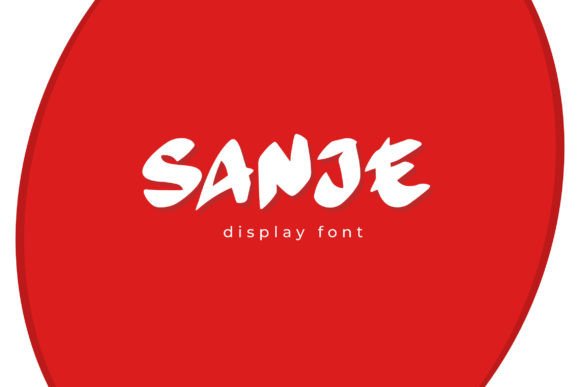
Choosing the right font for your design can make all the difference in how your message is perceived. In the world of typography, Sanje stands out as a bold and expressive display font that brings a unique modern Japanese aesthetic to any project. With its exclusive use of capital letters, Sanje delivers a strong visual impact, making it ideal for titles, logos, posters, and other design elements where attention is key.
The Japanese Style That Sets Sanje Apart
One of the most distinctive features of Sanje is its Japanese-inspired style. This isn't just about adding an exotic touch—it's about capturing the essence of contemporary Japanese design in every stroke and curve. The font’s characters reflect a balance between angular precision and fluid elegance, reminiscent of both traditional calligraphy and modern signage found across Japan.
This Japanese influence gives Sanje a fresh and culturally rich appearance. Whether you're designing a brand identity for a sushi restaurant or creating content for a lifestyle blog focused on Japanese culture, Sanje adds authenticity and flair without overdoing it. Its clean lines and subtle serifs give it a refined edge, while the overall structure remains dynamic and eye-catching.
Capturing the Spirit of Modern Japan
Japan has long been a global leader in minimalist and avant-garde design. From sleek Tokyo billboards to elegant packaging for premium goods, the country’s design sensibilities often blend tradition with innovation. Sanje taps into this duality by offering a font that feels both rooted in heritage and forward-thinking in application.
- Visual Harmony: The spacing and kerning in Sanje are carefully crafted to maintain a sense of balance, even when used at large sizes.
- Modern Elegance: While retaining classic influences, Sanje avoids being overly ornate—making it suitable for a wide range of contemporary uses.
- Strong Presence: Designed exclusively for uppercase letters, Sanje commands attention and works especially well for headlines and branding.
Where to Use Sanje in Your Design Projects
Display fonts like Sanje are not meant for body text but excel in situations where you want to highlight a word or phrase. Here are some of the best places to incorporate Sanje into your creative work:
Titles and Book Covers
If you’re working on a book cover, magazine title, or website header, Sanje offers the perfect blend of readability and style. Its uppercase-only format ensures clarity, while the Japanese-style curves add an artistic touch. For example, a travel guide titled "Wander Through Kyoto" could really pop with Sanje as the headline font.
Banners and Posters
Posters and banners need to grab attention quickly. Sanje’s bold structure and modern look make it an excellent choice for promotional materials. It pairs well with minimal background designs, allowing the text to be the focal point. Try using it for event announcements, product launches, or festival promotions to create a memorable visual statement.
Logos and Branding
Branding relies heavily on typography to communicate personality and values. If your brand wants to convey a sense of modernity with a touch of cultural depth, Sanje is a great fit. It works particularly well for businesses connected to Japanese culture, such as tea houses, anime stores, or fashion boutiques inspired by Tokyo trends.
Social Media Content
In the fast-paced world of social media, standing out is crucial. Sanje can help you craft posts that immediately catch the viewer’s eye. Whether it's a quote graphic for Instagram, a Twitter thread with styled headings, or Facebook banner ads, the font enhances the visual appeal and reinforces the message through its strong typographic presence.
Advertising and Marketing Materials
From print ads to digital campaigns, Sanje can elevate your marketing visuals. Its versatility allows it to complement both vibrant color schemes and muted tones, depending on your brand’s needs. When paired with high-quality imagery and concise copy, Sanje can turn a simple slogan into a powerful statement.
Why Uppercase Fonts Like Sanje Work Well in Design
Many designers hesitate when using all-caps fonts because they assume it might be too loud or difficult to read. However, when used correctly, uppercase fonts like Sanje offer several advantages:
- Emphasis and Authority: All caps naturally draw attention and convey strength, which is why they’re commonly used in headlines and calls-to-action.
- Consistency: Since there are no lowercase variations, uppercase fonts eliminate the need to match different letter cases, streamlining the design process.
- Scalability: Uppercase fonts tend to scale better in large formats, maintaining their legibility and impact whether printed on a billboard or displayed on a smartphone screen.
Of course, these benefits come with considerations. Uppercase fonts may not be appropriate for all contexts—especially where subtlety or extended reading is required. But for short bursts of text or visual-centric projects, Sanje proves to be both effective and stylish.
Pairing Sanje with Other Fonts
To create a balanced typographic hierarchy, consider pairing Sanje with a more subdued sans-serif or serif font for supporting text. For instance, if you're using Sanje for a logo, a clean sans-serif like Helvetica or Roboto would serve well for body copy. This contrast helps direct the viewer’s focus and prevents the design from feeling overwhelming.
When choosing complementary fonts, pay attention to weight and style. A lighter or thinner font next to Sanje will enhance the dramatic effect of the headline without clashing. Similarly, a font with similar cultural undertones (like those influenced by East Asian design) can reinforce the theme of your project.
Practical Tips for Using Sanje Effectively
While Sanje is visually striking, it’s important to use it wisely. Here are some practical tips to ensure your designs look professional and impactful:
- Use Sparingly: Save Sanje for the most important parts of your design. Overusing it can dilute its effect and lead to visual fatigue.
- Experiment with Color: The Japanese style of Sanje means it can adapt well to various color palettes—from monochrome black and white to vibrant reds and deep blues.
- Test at Different Sizes: Make sure the font maintains its clarity and character when scaled up or down. This is especially important for responsive web designs or multi-format print materials.
- Consider Contrast: Pair Sanje with contrasting colors or backgrounds to make it stand out. Dark fonts on light backgrounds usually perform best in terms of readability and aesthetics.
Real-World Applications of Sanje
Let’s take a closer look at how Sanje can be applied in real-world scenarios:
- Restaurant Branding: A ramen shop named “Tokyo Noodles” could use Sanje for their logo and menu headers to evoke a sense of authenticity and modern flair.
- Event Promotion: For a cultural festival called “Harmony Fest,” using Sanje for the main title would instantly convey a sense of celebration and sophistication.
- Apparel Labels: Fashion brands that draw inspiration from Japanese streetwear can leverage Sanje for taglines or clothing labels, enhancing the visual language of their brand.
- Digital Content: On platforms like YouTube or TikTok, Sanje can be used for video thumbnails or channel art to create a cohesive and recognizable brand identity.
Adopting Sanje in Your Workflow
Integrating Sanje into your design workflow is straightforward, but there are a few things to keep in mind to maximize its potential:
- Font Licensing: Always verify the licensing terms of Sanje before using it in commercial projects. Some fonts require specific permissions for different uses, so make sure you’re compliant.
- Software Compatibility: Confirm that the font works seamlessly with your preferred design tools—whether you're using Adobe Illustrator, Photoshop, Figma, or Canva.
- Web Implementation: If you plan to use Sanje online, check if it supports web embedding via WOFF or TTF formats. Also, test it on multiple devices to ensure consistent rendering.
For many designers, the decision to adopt a new font comes down to how well it fits within their existing toolkit. Sanje is versatile enough to be used across multiple platforms and industries, yet distinctive enough to leave a lasting impression. Its Japanese roots make it a natural fit for projects aiming to capture a sense of place or cultural identity.
Designing with Cultural Sensitivity
As with any font inspired by a particular culture, it’s important to approach its use with respect and awareness. Japanese design carries deep meaning and history, and using a font like Sanje should align with the context and purpose of your project. Avoid using it inappropriately or in a way that could misrepresent the culture it draws from.
When done right, however, Sanje can become a meaningful part of your design narrative. It can signal a connection to Japanese aesthetics, whether you're launching a new line of handcrafted stationery or promoting a wellness retreat in Okinawa.
What Designers Should Know Before Choosing Sanje
Before deciding to use Sanje, here are some factors to evaluate:
- Project Type: Is it a logo, poster, app interface, or something else? Sanje shines in display roles but may not suit body text.
- Target Audience: Will your audience appreciate the Japanese style? Consider cultural relevance and whether the font aligns with your brand voice.
- Legibility: Does Sanje remain readable at the intended size and distance? Test it in different environments to confirm.
- Brand Identity: Does the font support your brand’s image? If your brand is playful, modern, or luxury-focused, Sanje could be a great match.
By keeping these points in mind, you’ll be able to determine whether Sanje is the right choice for your next project. Remember, typography is more than just choosing a pretty font—it’s about communication, context, and consistency.
Sanje vs. Other Display Fonts
Compared to other popular display fonts, Sanje offers a unique niche. While fonts like Bebas Neue or Bangers are also uppercase-focused and modern, they lack the nuanced Japanese character that defines Sanje. This makes it particularly valuable for designers looking to differentiate their work or connect with audiences who appreciate Japanese design.
Another advantage of Sanje is its ability to remain understated while still being bold. Many display fonts can feel too heavy or garish, especially when used improperly. Sanje, with its refined structure and thoughtful details, manages to strike a balance between style and restraint.
Final Thoughts on Using Sanje
Sanje is more than just another display font—it’s a stylistic choice that can transform the look and feel of your design. Its Japanese style provides a layer of cultural richness, while the uppercase-only format ensures maximum impact and clarity. Whether you're crafting a brand identity, designing a poster, or creating compelling social media content, Sanje offers a modern solution that’s both versatile and visually engaging.
By understanding its strengths and limitations, you can confidently integrate Sanje into your creative process. As with any font, the key is to use it thoughtfully and intentionally. When done right, Sanje can become a signature element of your design portfolio, helping you stand out in a crowded visual landscape.