Why Ronny Is a Great Choice for Display Fonts in Modern Design
Choosing the right display font can significantly impact the visual appeal and readability of your design. Among the many options available, Ronny stands out as a fun and friendly typeface that adds a touch of whimsy and charm to any project. Its quirky nature and expressive characters make it ideal for creative applications where personality is key. This article explores what makes Ronny unique, how it compares with similar fonts, and when it might be the best fit for your needs.
What Is Ronny?
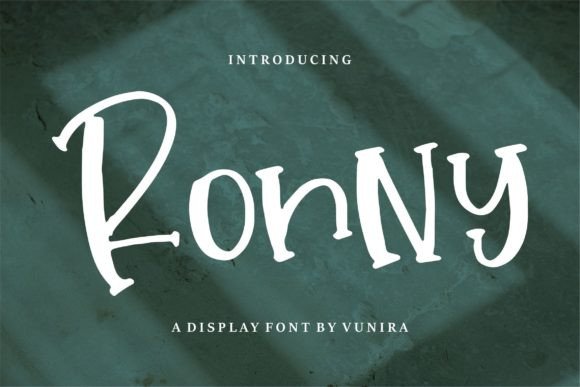
Ronny is a display font characterized by its playful yet approachable style. Designed with attention to detail and character variation, it brings a sense of joy and spontaneity to typography. Each letterform is crafted to feel hand-drawn but polished, making it versatile enough for both casual and professional projects that require a more lighthearted aesthetic.
The font features a generous x-height and rounded edges, which contribute to its friendly appearance. These traits help maintain legibility even at smaller sizes, though Ronny truly shines in larger formats such as headlines, logos, or banners. It’s especially well-suited for branding materials, invitations, posters, and other designs where you want to create an emotional connection with the viewer.
PUA Encoding: A Key Feature for Creative Flexibility
One of the standout technical features of Ronny is its support for PUA (Private Use Area) encoding. This means that all the glyphs, ligatures, swashes, and alternate characters included in the font are easily accessible through your design software without the need for complex manual input. For designers working on custom typographic treatments, this is a significant advantage, allowing them to quickly enhance their layouts with stylistic variations.
Strengths of Ronny
- Distinctive Personality: Ronny’s whimsical and slightly quirky design sets it apart from more formal or minimalist fonts. It can inject warmth and creativity into a wide range of visual media.
- High Visual Appeal: The font is visually engaging, making it suitable for projects where aesthetics are a priority, such as greeting cards, social media graphics, and packaging.
- Easy to Customize: With PUA encoding, users can access special characters and embellishments seamlessly, streamlining the design process and enabling more creative freedom.
- Good Legibility: Despite its playful nature, Ronny maintains sufficient clarity to ensure text remains readable across various uses, especially in short-form content.
When Ronny Might Not Be the Best Fit
While Ronny excels in many areas, it may not be appropriate for every design scenario. Like most display fonts, it is not optimized for long passages of body text. Its stylized forms and decorative elements can become distracting if used for extended reading, such as articles, books, or reports.
Additionally, Ronny’s informal tone may clash with more serious or corporate environments. If your project demands a traditional, clean, or highly professional look, there are other display fonts that offer a more restrained style. Always consider the context and audience before finalizing your font choice.
Tradeoffs in Style and Usage
Display fonts like Ronny often come with tradeoffs between style and functionality. While they add flair and visual interest, they typically lack the structural consistency needed for extensive use. For instance, compared to serif display fonts that emphasize elegance and formality, Ronny leans toward a more modern and casual expression. Similarly, while it has a distinct personality, it may not provide the same level of versatility as sans-serif alternatives that work well in both digital and print formats.
Comparing Ronny with Other Display Font Styles
There are several categories of display fonts, each serving different purposes. Here’s how Ronny fits within the broader landscape:
Whimsical vs. Minimalist Display Fonts
Ronny belongs to the whimsical category of display fonts, which prioritize charm and individuality over strict uniformity. In contrast, minimalist display fonts tend to focus on simplicity, geometric shapes, and limited character variation. They are excellent for modern brands looking for a sleek, no-nonsense look. However, if you’re aiming to create something memorable or emotionally resonant, Ronny offers a compelling alternative.
Handwritten vs. Stylized Display Fonts
Some designers prefer handwritten-style fonts for their organic, personal feel. Ronny isn’t strictly a handwriting font, but it does mimic some of the spontaneity and fluidity found in cursive scripts. Unlike purely handwritten fonts, however, Ronny maintains a consistent baseline and structure, which makes it easier to integrate into formal layouts without losing coherence.
Decorative vs. Functional Display Fonts
Decorative display fonts often feature exaggerated strokes, flourishes, and unusual spacing. These characteristics can limit their usability in certain contexts. Ronny walks a fine line between decorative and functional; it includes swashes and glyph variations but retains enough balance to remain practical in everyday design tasks. This makes it a better option than heavily ornate fonts for most commercial applications.
Best-Fit Situations for Ronny
Ronny works particularly well in the following scenarios:
- Branding for Lifestyle Businesses: Whether it’s a boutique, café, or creative studio, Ronny can reflect a brand’s personality with its warm and inviting style.
- Invitations and Social Media Graphics: Its lively appearance is perfect for event invites, announcements, and promotional posts where engagement is crucial.
- Children's Products or Educational Materials: The font’s friendly and approachable design can make learning materials or toys more appealing to younger audiences.
- Logos and Taglines: Ronny can help craft a memorable logo, especially for businesses that want to convey creativity, innovation, or playfulness.
Limitations and Considerations
Despite its strengths, Ronny has a few limitations worth noting:
- Not Ideal for Long Text: As mentioned earlier, its design is best suited for short bursts of text rather than lengthy paragraphs.
- May Require Pairing: Because of its strong visual presence, Ronny should be paired with a more neutral supporting font to avoid overwhelming the layout.
- Accessibility Concerns: Decorative display fonts can sometimes pose challenges for users with dyslexia or visual impairments. Always test your designs for accessibility when using such fonts.
Alternatives to Consider
If Ronny doesn’t align perfectly with your project, there are several other display fonts that could be worth exploring:
For a More Playful Alternative
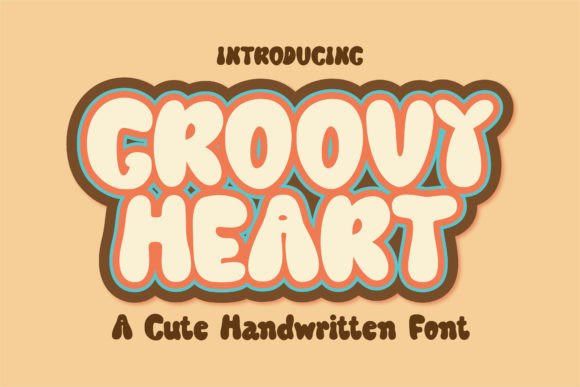
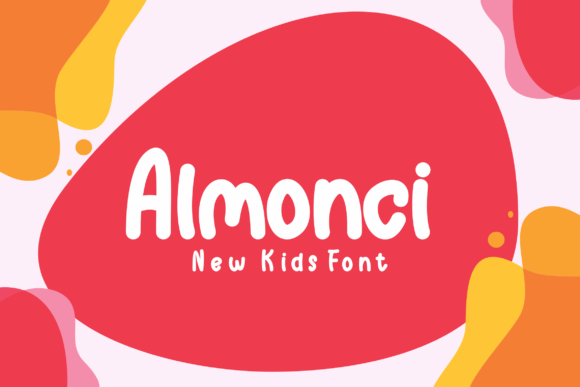
If you're drawn to Ronny’s cheerful vibe, consider similar display fonts that also embrace whimsy and friendliness. These fonts often include animated-like characters and soft curves, much like Ronny, but may vary in weight or ornamentation. Their common use cases include children’s book covers, party invitations, and branding for entertainment or wellness industries.
For a Cleaner, Professional Look
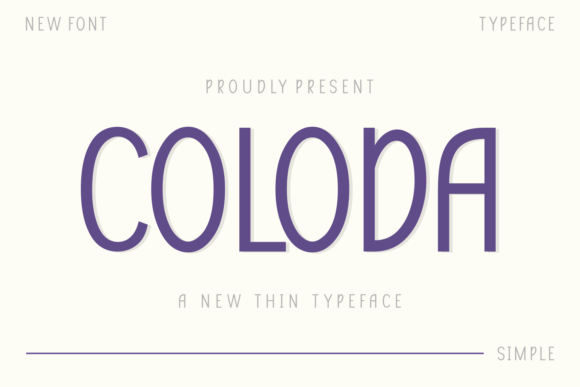
If you need a font that balances creativity with professionalism, explore display fonts with a more structured feel. These fonts retain the visual impact of a display typeface but are designed to be used in business contexts, such as presentations, infographics, or website headers. They often have less eccentricity and more predictable spacing.
For High-Contrast Designs
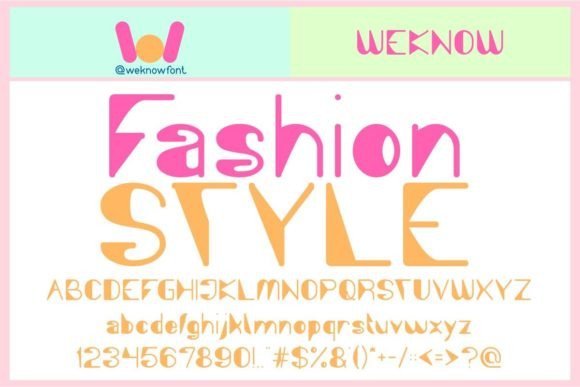
Some display fonts are built for high contrast and bold statements, often featuring thick and thin strokes. These are great for editorial design, posters, or fashion branding. Ronny, on the other hand, has a more even stroke weight, so if you’re looking for dramatic visual contrast, you may find these high-contrast fonts more effective.
How to Use Ronny Effectively
To maximize the impact of Ronny in your designs, keep the following tips in mind:
- Use Sparingly: Limit Ronny to headline text, titles, or short phrases to preserve readability and avoid visual clutter.
- Pair with Simplicity: Combine it with a clean, sans-serif or serif base font to maintain harmony and balance in your layout.
- Experiment with Glyphs: Take full advantage of the PUA-encoded glyphs to personalize your designs. Try substituting standard letters with alternates or adding swashes for a refined touch.
- Consider Color and Contrast: Ronny’s soft curves and rounded forms respond well to vibrant colors and subtle gradients. But remember that contrast plays a vital role in ensuring legibility, especially in digital settings.
Realistic Examples of Ronny in Action
Here are a few real-world applications where Ronny can shine:
- A summer camp brochure featuring Ronny for the title to evoke a sense of fun and adventure.
- A product launch poster using Ronny for the main headline, complemented by a minimalist sans-serif for subheadings and body copy.
- A blog post header in a lifestyle or travel niche, where the font adds a warm and welcoming tone to the content.
- An Instagram announcement with Ronny as the focal point to catch attention and communicate excitement.
Final Thoughts on Choosing Ronny
Font selection is a nuanced part of design that involves balancing style, function, and context. Ronny is a display font that successfully blends charm and clarity, making it a valuable asset for creative professionals. It’s especially effective in projects that benefit from a personal and engaging tone.
However, its suitability depends on the specific requirements of your design. When evaluating display fonts, always consider the purpose of the text, the platform it will appear on, and the overall message you want to convey. Ronny is a great choice when you want to stand out with a friendly, expressive typeface—but it’s not the only one.
By understanding its strengths and limitations, you can determine whether Ronny is the right fit for your next project or if another font might serve your goals better. Ultimately, the best font is the one that supports your design vision while maintaining clarity and accessibility for your audience.