Diary Note: A Quirky Font for Creative Projects
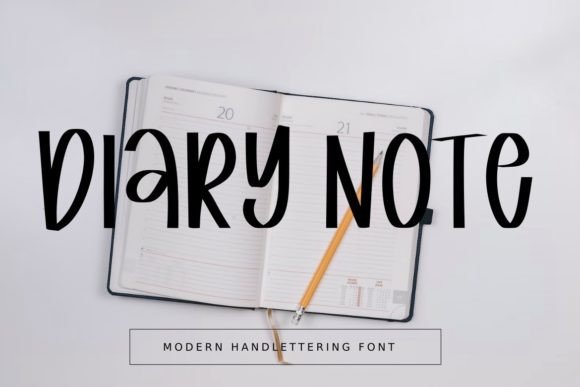
Diary Note is a unique and expressive font that brings a personal touch to any design. Its casual, handwritten style makes it ideal for projects that benefit from a friendly and approachable aesthetic. Whether you're designing a shirt, creating website content, or working on a branding project, Diary Note adds character and charm without overwhelming the viewer.
This font has a distinct personality. It feels like it was written with a pen on a notebook page, giving it an authentic, almost nostalgic feel. The letterforms are slightly irregular, with subtle variations in stroke weight and spacing. These imperfections make it feel more human and less rigid than many other fonts, which can be a great asset when trying to convey warmth and creativity.
Diary Note works well in a variety of contexts. It's especially popular among designers, entrepreneurs, and small business owners who want to add a personal flair to their brand. It's also a favorite among crafters and hobbyists looking for a font that feels handmade and unique. From social media graphics to packaging design, this font can elevate your creative work with its distinctive style.
Where Diary Note Shines
Diary Note excels in display applications where visual interest and personality matter most. It’s perfect for headlines, logos, and titles that need to stand out. Its informal look makes it a strong choice for branding that wants to feel accessible and relatable. For example, a boutique coffee shop might use Diary Note for its logo to create a cozy, welcoming vibe.
In web design, Diary Note can be used for call-to-action buttons, headings, or feature sections. It adds a playful element that can differentiate a site from more standard typefaces. However, it's important to use it sparingly—too much text in Diary Note can reduce readability, especially on smaller screens.
For print projects, Diary Note is great for invitations, greeting cards, and posters. Its handwritten appearance gives these materials a custom, personal feel. When paired with clean, modern typography, it can create a balanced and visually appealing layout. For instance, pairing Diary Note with a sans serif font like Open Sans can offer contrast while maintaining harmony.
Understanding Readability and Visual Hierarchy
While Diary Note is visually engaging, its readability depends on how it's used. In large sizes, such as headlines or logos, it performs well. But in body text, it may not be the best choice. This is because the irregular shapes and varying strokes can make individual letters harder to distinguish, especially for readers with visual impairments or those viewing the text on low-resolution screens.
When using Diary Note in a design, consider the purpose of the text. If it's for a headline or title, the font's personality will shine through. If it's for longer paragraphs, it's better to pair it with a more readable typeface. This approach helps maintain clarity while still allowing Diary Note to contribute to the overall visual identity of the project.
Visual hierarchy is another key factor. Diary Note can be used to draw attention to specific elements, such as a featured product, a special offer, or a key message. By placing it in a prominent position, you can guide the viewer's eye and emphasize important information without relying solely on color or size.
Practical Tips for Using Diary Note
If you're considering using Diary Note in your next project, start by evaluating the context. Ask yourself: Does this font align with the tone and goals of the design? Is it appropriate for the audience you're targeting? These questions can help determine whether Diary Note is the right choice for your work.
Testing different font pairings is also essential. Try combining Diary Note with other fonts to see how they interact. A classic serif font like Georgia can provide a contrast that complements the casual nature of Diary Note. Alternatively, a modern sans serif like Montserrat can create a fresh, contemporary look that still honors the original font's character.
Reviewing the font's available styles is another important step. Some fonts come in multiple weights or variants, such as bold, italic, or condensed versions. These options give you more flexibility in how you use the font across different design elements. Make sure to explore all the variations before finalizing your selection.
Finally, consider the licensing terms. If you're using Diary Note for commercial purposes, check whether the license allows for that use. Many premium fonts require a separate license for business or resale projects. Ensuring compliance with these terms helps avoid legal issues down the line.
Real-World Applications of Diary Note
One practical application of Diary Note is in editorial design. Magazines, blogs, and newsletters often use display fonts to highlight section titles or featured articles. Diary Note can add a personal touch to these elements, making them more engaging for readers. For example, a lifestyle blog might use it for a "Weekend Picks" section to give it a more intimate, curated feel.
In packaging design, Diary Note can be used for product labels, tags, or slogans. Its handwritten style can make a product feel more artisanal or handmade, which appeals to consumers looking for authenticity. A skincare brand, for instance, might use Diary Note on its packaging to reinforce a natural, organic image.
For social media graphics, Diary Note can be a powerful tool. It works well for quotes, captions, or promotional banners that need to stand out. When used in conjunction with vibrant colors or bold imagery, it can create a cohesive and eye-catching visual identity across platforms like Instagram or Pinterest.