Eight: A Font That Elevates Visual Communication with Purpose
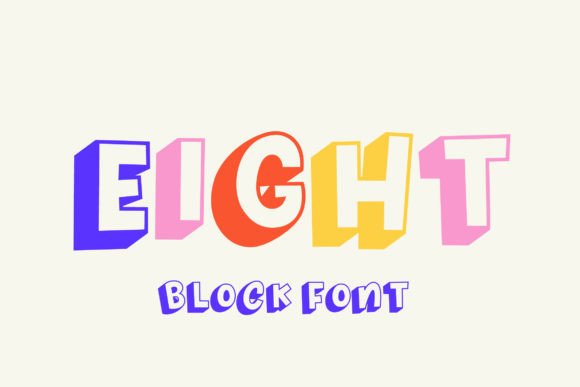
In the world of visual design, typography is more than just an aesthetic choice—it’s a strategic tool. The right font can enhance readability, reinforce brand identity, and even influence emotional responses from your audience. One such font that stands out for its versatility and impact is Eight, a trendy and cool outline block display font. With its bold, joyful character set, Eight isn’t just another typeface; it’s a design element that can support your communication goals when used thoughtfully.
Understanding the Strategic Value of Eight
Eight is designed to make statements. Its clean, geometric outlines and blocky structure lend themselves well to attention-grabbing applications like posters, flyers, advertisements, and t-shirt designs. But beyond the surface appeal, this font serves a deeper purpose in strategic communication. When you use Eight, you’re not just adding style—you’re aligning your message with a tone that’s modern, energetic, and approachable.
For entrepreneurs and marketers, fonts are part of the visual language that communicates brand personality. Eight offers a unique blend of professionalism and playfulness, making it ideal for businesses or campaigns that want to project innovation without sacrificing clarity. Its boldness ensures legibility at a distance, while its stylized form adds a memorable flair.
When Eight Works Best
- Short-form messaging: Eight excels in headlines, logos, and short phrases where visual impact matters most. Think event banners, promotional materials, and social media graphics.
- Branding projects: If your brand values creativity and confidence, Eight can be a strong typographic ally. It helps create a distinct identity that resonates with younger audiences and professionals alike.
- Product packaging and advertising: The font’s high contrast and modern look work well in environments where quick recognition is key, such as retail displays or digital ads.
- Creative industries: Designers, artists, and educators will find Eight useful for presentations, infographics, and educational materials where engagement and clarity must coexist.
Using Eight to Support Strategic Goals
Typography should never be chosen arbitrarily. Every design decision, including font selection, must serve a clear objective. Here’s how Eight can be leveraged strategically across different domains:
Communication and Brand Positioning
If your goal is to stand out in a crowded market, Eight can help you craft messages that cut through the noise. Consider using it for taglines or brand slogans that need to reflect a forward-thinking attitude. For example, a startup launching a tech product might pair Eight with minimalist visuals to communicate innovation and simplicity simultaneously.
However, keep in mind that positioning also depends on context. While Eight may be perfect for a logo or headline, it might not suit body text due to its stylized nature. Always ensure there’s a balance between visual appeal and functional readability.
Design Creativity and Productivity
Graphic designers and content creators often rely on tools that boost efficiency while inspiring originality. Eight supports both by offering a distinctive look that encourages creative thinking and reduces the time spent searching for the “right” font. Its block-style format makes it easy to customize with colors, gradients, or overlays, which can streamline the design process while keeping the output fresh and engaging.
Freelancers and small business owners who juggle multiple projects can benefit from having a reliable go-to font like Eight. It allows for consistent branding across various deliverables—posters, web headers, app interfaces—without compromising on quality or creativity.
Customer Experience and Engagement
In customer-facing materials, the right font can subtly influence perception. Eight, with its upbeat and confident appearance, can evoke a sense of excitement and trust. Use it in promotional flyers for a new service launch or in email marketing subject lines to grab attention and encourage clicks.
But here’s the catch: not every audience responds the same way. Before incorporating Eight into your materials, consider your target demographic. Will they perceive it as playful and modern, or too casual for your message? Test variations and gather feedback if possible to ensure alignment with your desired customer experience.
Planning Thoughtful Typography Integration
Integrating a display font like Eight into your design strategy requires intentionality. Start by defining what you want your typography to achieve. Are you aiming to:
- Build brand awareness?
- Encourage user interaction?
- Convey urgency or excitement?
Use Cases Where Eight Shines
Here are some practical scenarios where Eight can add real value:
- Event Promotion: Whether it’s a music festival or a local workshop, Eight can bring energy to your posters and digital invites.
- Educational Content: Teachers and online course creators can use Eight to highlight key concepts or section titles, making learning materials more visually stimulating.
- Merchandise and Apparel: T-shirts, mugs, and stickers featuring Eight can become powerful brand ambassadors, especially for lifestyle brands or community-driven initiatives.
- Infographics and Data Visualization: Pair Eight with data-heavy charts and diagrams to maintain a professional yet dynamic look.
Risks of Misusing Eight
While Eight is versatile, it carries risks if applied without a clear understanding of its limitations. Overuse can dilute its impact and lead to visual clutter. Similarly, using it in inappropriate contexts—such as legal documents or technical manuals—can undermine your message’s credibility.
Another common pitfall is ignoring accessibility. Outline fonts can sometimes reduce legibility for people with visual impairments, particularly when used in smaller sizes or on low-contrast backgrounds. Always test your designs with diverse audiences or follow accessibility guidelines to ensure inclusivity.
Strategic Tips for Using Eight Effectively
To maximize the potential of Eight, apply these planning tips:
- Define the hierarchy: Use Eight primarily for headlines and secondary text elements. Reserve more readable fonts for body copy to maintain clarity.
- Balance with complementary styles: Pair Eight with a clean sans-serif or serif font to create contrast and guide the viewer’s eye effectively.
- Test color combinations: Because Eight is an outline font, experimenting with stroke width and fill options can yield unique effects tailored to your brand’s palette.
- Stay consistent: Once you decide to use Eight, stick to it across all relevant platforms to build a cohesive visual identity.
- Consider cultural relevance: In some markets, certain fonts carry specific connotations. Ensure Eight aligns with the tone you want to establish locally or globally.
Decision-Making Guidance for Design Leaders
As a designer or team leader, your responsibility is to choose fonts that align with broader business objectives. Ask yourself these questions before committing to Eight:
- Does it reflect our brand personality?
- Will it perform well in both print and digital formats?
- Can we maintain consistency across all touchpoints?
- Is it accessible to all users?
Long-Term Value and Creative Sustainability
A font like Eight is not just a temporary fix for a design problem—it can be a long-term asset in your creative toolkit. By choosing a font that supports your communication goals and aligns with your brand identity, you’re investing in a resource that can evolve with your needs over time.
Over time, trends shift, and fonts that were once popular can become dated. However, because Eight maintains a timeless balance between trendiness and functionality, it has the potential to remain relevant for years. This longevity is especially valuable for small business owners and freelancers who need cost-effective solutions that don’t require constant updates.
Building a Typography Strategy Around Eight
To build a lasting typography strategy around Eight, start by documenting its usage guidelines internally. Establish rules for when and how it should appear in your materials. This includes:
- Maximum and minimum sizes for visibility
- Preferred color schemes for different applications
- Recommended spacing and alignment settings
- Contextual restrictions (e.g., avoid in formal reports)
Conclusion
Eight is more than just a stylish display font—it’s a strategic design element that can elevate your visual communication when used with care and clarity. From branding and advertising to education and product design, its structured yet expressive form makes it a valuable asset for anyone looking to make a bold impression.
By integrating Eight thoughtfully into your workflow and considering its long-term implications, you’ll not only improve your immediate results but also build a stronger, more recognizable brand over time. Remember, the best typography doesn’t just look good—it works hard to support your goals, engage your audience, and drive meaningful outcomes.