Haunted Cemetery: A Font That Elevates Strategic Branding and Creative Communication
Fonts are more than just tools for displaying text—they’re strategic instruments that shape perception, reinforce identity, and influence decision-making. Among the growing library of typographic choices, Haunted Cemetery stands out as a unique font with two distinct styles between uppercase and lowercase letters. Its design is not only visually compelling but also offers practical advantages when used thoughtfully. This article explores how Haunted Cemetery can be leveraged to support branding, communication, and creative outcomes while emphasizing the importance of using it intentionally.
What Is Haunted Cemetery?
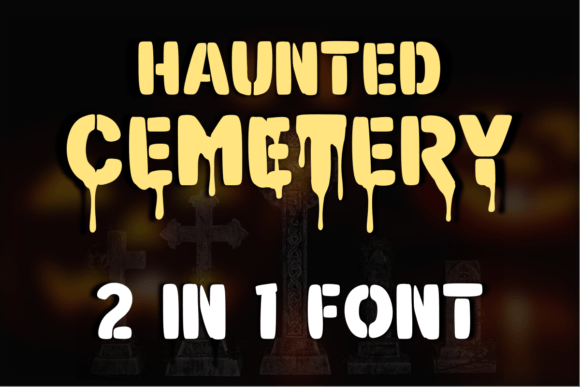
Haunted Cemetery is a distinctive typeface designed to evoke an eerie yet artistic atmosphere. It features two primary styles: normal characters in uppercase and a more stylized, "melted" appearance in lowercase letters. What sets this font apart is its dynamic nature—each lowercase letter has five different versions that automatically cycle as you type. This variability ensures visual interest without manual intervention, making it ideal for designs where repetition might otherwise become monotonous.
The font is PUA (Private Use Area) encoded, allowing users to access all glyphs and swashes effortlessly through character maps or font panel menus. This encoding enhances usability by ensuring compatibility across platforms and software, which is essential for professionals who require precision in their typography choices.
Strategic Uses for Haunted Cemetery
When selecting a font, the goal should always align with the message being conveyed. Haunted Cemetery is particularly useful in contexts where an otherworldly or dramatic aesthetic supports the brand’s tone or content theme. Here are some strategic areas where it can add value:
- Branding and Identity Development: For niche brands, especially in horror, fantasy, or entertainment sectors, Haunted Cemetery can help establish a strong visual identity that resonates with target audiences.
- Marketing Campaigns: Halloween promotions, ghost-themed events, or dark concept campaigns benefit from the font’s spooky charm. It can serve as a memorable visual anchor in social media posts, posters, and email headers.
- Content Creation and Design: Bloggers, YouTubers, and podcasters covering topics like urban legends, paranormal investigations, or historical hauntings may find this font enhances their content’s thematic consistency.
- Product Packaging and Merchandise: The font’s uniqueness makes it suitable for merchandise such as T-shirts, mugs, or book covers that aim to stand out in competitive markets.
Supporting Goals Through Typography
Typography plays a subtle but powerful role in shaping user experience and engagement. Haunted Cemetery can help achieve specific goals by reinforcing emotional context. For example, using it in promotional materials for a haunted house attraction can immediately signal the experience’s intensity and authenticity. Similarly, in editorial design, it can highlight key phrases or headlines that need to capture attention quickly and memorably.
Its dual-style feature allows for nuanced control over the tone of your message. By alternating between uppercase and lowercase forms, designers can emphasize certain words or phrases while maintaining a cohesive look. This flexibility is valuable for entrepreneurs and marketers who must balance creativity with clarity in their messaging.
How to Approach Using Haunted Cemetery Effectively
To harness the full potential of Haunted Cemetery, consider the following planning tips and best practices:
- Define the Purpose First: Before applying the font, ask yourself what you want to communicate. Will it create intrigue? Set a mood? Or simply differentiate your brand from competitors?
- Use Sparingly for Maximum Impact: While its visual appeal is undeniable, overuse can dilute the effect. Apply it selectively in titles, logos, or call-to-action buttons to maintain readability and focus.
- Test Across Platforms: Ensure the font displays correctly on both desktop and mobile devices. Check how it renders in web browsers, PDFs, and print materials to avoid unexpected inconsistencies.
- Pair With Complementary Fonts: To maintain legibility in body text, pair Haunted Cemetery with a clean, modern sans-serif or serif font. This contrast helps guide the reader’s eye and prevents cognitive overload.
Realistic Use Cases
Consider a small business owner launching a boutique horror-themed bookstore. They could use Haunted Cemetery for the store logo and window signage to create an immersive environment. In digital marketing, they might incorporate it into email subject lines or Instagram post captions to spark curiosity and drive clicks.
Freelancers in the design industry can use Haunted Cemetery to craft unique project proposals or client presentations. The font adds personality to portfolios and case studies, helping them stand out in a crowded market. Educators teaching courses on graphic design or typography can demonstrate how variable fonts enhance creativity and efficiency in layout work.
Decision-Making Guidance for Thoughtful Application
Integrating Haunted Cemetery into your workflow requires careful consideration. Ask these questions before finalizing your choice:
- Does the font align with my brand’s core values and visual language?
- Will it enhance the message, or does it risk distracting the audience?
- Am I using it to solve a real problem, or is it just a stylistic preference?
- Can I maintain consistency across different mediums and formats?
Answering these will help ensure that your use of Haunted Cemetery is purpose-driven rather than random. Remember, the best typography decisions are those made with intent and awareness of the audience’s expectations.
Risks of Using Without Clear Context
While Haunted Cemetery is visually striking, using it without clear goals can lead to miscommunication. If applied haphazardly, the font may appear unprofessional or confusing, especially in formal documents or corporate communications. It’s crucial to evaluate whether the style supports the intended message and if the audience is likely to respond positively to it.
For instance, using it in a financial report would likely undermine credibility. Likewise, in educational materials aimed at younger audiences, it might cause unnecessary distraction. Always match the font’s vibe with the content’s purpose to avoid unintended consequences.
Long-Term Value and Planning Tips
Thinking ahead about long-term use is essential. Haunted Cemetery isn’t just a one-time novelty—it can become part of a broader visual strategy. When planning its implementation, consider how it will scale across multiple projects and evolve with your brand over time.
Here are some actionable steps to integrate it effectively:
- Create a brand style guide that outlines appropriate usage scenarios and rules.
- Establish a fallback font in case Haunted Cemetery isn’t supported on certain platforms.
- Monitor audience feedback to assess how well the font supports your messaging and brand perception.
- Combine it with sound design or imagery for multimedia projects to amplify the eerie effect.
Enhancing Creativity and Productivity
Haunted Cemetery encourages creative thinking by offering visual variety. Because each lowercase letter cycles through five different versions, it reduces the need for manual adjustments in design software. This automatic cycling can save time and streamline workflows, particularly in projects involving large blocks of text with repeating characters.
Designers and content creators can use this feature to experiment with layouts, animations, or motion graphics without sacrificing productivity. The font’s dynamic behavior opens up new avenues for storytelling and visual expression, especially in video editing, website headers, and animated infographics.
Haunted Cemetery in Customer Experience and Operations
In customer experience design, fonts contribute to the overall feel of a product or service. Haunted Cemetery can be used in themed environments to create a consistent and engaging atmosphere. Think of it as part of a sensory toolkit that includes lighting, music, and spatial design.
Operations teams managing print-on-demand services or e-commerce platforms can also benefit. By including Haunted Cemetery in templates for custom products, they offer customers a wider range of expressive options. This can boost conversion rates and customer satisfaction, especially among fans of horror and fantasy genres.
Learning and Experimentation
For educators and learners, Haunted Cemetery serves as an excellent case study in font versatility and user experience. Typographers can explore how variable fonts affect legibility, rhythm, and hierarchy in design. Students experimenting with font pairing will appreciate how Haunted Cemetery interacts with other styles to create balanced compositions.
Encourage learners to try different applications, such as creating mockups for event flyers, album covers, or short films. These exercises help develop critical thinking around typography and its strategic role in visual storytelling.
Final Thoughts on Strategic Typography
Fonts like Haunted Cemetery are powerful tools when used with intention. They aren’t just decorative elements; they’re part of a larger narrative that influences perception and behavior. Whether you’re building a brand, designing a campaign, or crafting a story, thoughtful typography decisions can elevate your results.
By understanding when and how to apply Haunted Cemetery, you can position it as a strategic asset rather than a passing trend. Let it support your goals, not overshadow them. And always remember to test, refine, and adapt based on real-world performance and audience response.