Integrating Twicker Into Creative Workflows for Playful Branding and Design
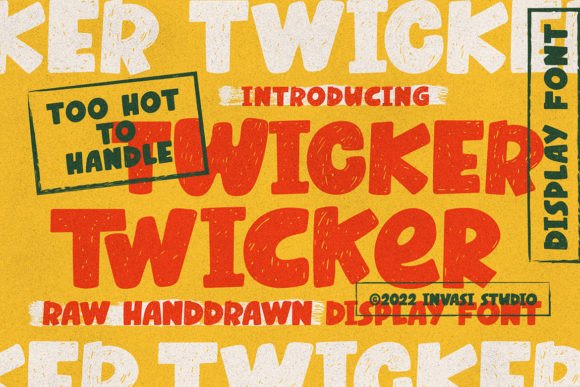
Twicker is a distinctive hand-drawn font that brings a sense of spontaneity, energy, and character to any design project. With its playful sketch style, textured appearance, and grunge-shaded undertones, it offers a unique visual identity that stands out in branding, packaging, and creative content. For professionals and creators looking to add personality without compromising on functionality, Twicker is a versatile tool worth exploring.
What Is Twicker and Why It Matters
At first glance, Twicker might seem like just another decorative typeface. But when you dig deeper, you’ll find it’s more than that—it's a font designed with practicality in mind. Its PUA encoding allows designers to access all glyphs and swashes seamlessly, making it user-friendly even for those less familiar with advanced typography features. This accessibility is key when working under tight deadlines or across multiple platforms where reliability is essential.
Twicker fits well into the broader process of visual communication, especially when the goal is to create something memorable and emotionally engaging. Whether you're designing a logo, crafting social media assets, or preparing marketing materials, this font can enhance your message by adding warmth and a human touch that digital fonts often lack.
When to Use Twicker in Your Workflow
Choosing the right time to introduce Twicker into your workflow can make a big difference in how effectively it serves your purpose. Here are some strategic moments where Twicker shines:
- Pre-Project Planning: When brainstorming ideas for a brand or product, Twicker can be used in mood boards or early sketches to visualize the tone and aesthetic you want to achieve. Its organic feel helps set the direction for a more casual, approachable brand voice.
- Drafting and Prototyping: During the initial design phase, Twicker can be applied to mockups for logos, packaging, or website headers. Its bold yet flexible strokes allow for experimentation with layout and hierarchy before finalizing the look.
- Final Output and Presentation: Once the main structure of a project is complete, Twicker can serve as the finishing touch. Adding it to headlines, taglines, or call-to-action buttons gives your work a dynamic edge that catches attention and reinforces brand identity.
How Twicker Complements Other Tools and Resources
Twicker doesn’t operate in isolation. To maximize its potential, consider how it interacts with other tools and methods in your creative pipeline. For example:
- Design Software Compatibility: Twicker works smoothly with Adobe Photoshop, Illustrator, InDesign, and Figma—common tools for branding and graphic design. Its clean PUA encoding ensures consistent rendering across these platforms, which is crucial when collaborating with teams or clients who may use different software.
- Pairing with Supporting Fonts: While Twicker is excellent for headlines and accents, it pairs best with simpler sans-serif or serif fonts for body text. A classic pairing could be Twicker with Helvetica or Georgia, balancing playfulness with readability.
- Integration with Brand Guidelines: If you’re working within an established brand framework, Twicker can be introduced as part of a secondary or tertiary font palette. Define specific use cases such as promotional banners, event invitations, or seasonal campaigns where it can highlight key messages without overwhelming the primary typography.
Real-World Implementation Tips
Here are some practical tips for using Twicker in your projects:
- Test Different Sizes: Because of its hand-drawn nature, Twicker looks great at large sizes but may lose clarity when used too small. Always preview it in context to ensure legibility and impact.
- Experiment with Color and Texture: The grunge-inspired shading of Twicker makes it ideal for overlaying textures or using muted color tones. Try applying subtle gradients or background patterns to amplify its artistic appeal while maintaining professional quality.
- Use Sparingly for Maximum Effect: Decorative fonts like Twicker should be reserved for focal points. Overuse can distract from the message and dilute the overall design. Apply it only where it adds value—such as titles, slogans, or highlights.
Workflow Examples: Where Twicker Fits Best
Let’s explore a few scenarios where Twicker can be naturally integrated into real-world workflows:
1. Packaging Design for a New Product Launch
During the packaging development stage, Twicker can be used to create eye-catching labels or box art. Start by outlining the product’s positioning and target audience. If the product is aimed at younger demographics or has a lifestyle-oriented brand, Twicker’s playful style aligns perfectly. After selecting the base layout and colors, incorporate Twicker into key elements like the product name or slogan. Test variations in size and contrast to see what resonates most with the intended vibe.
2. Social Media Campaigns and Visual Content
Social media thrives on visual storytelling. Twicker can be used to craft engaging captions, hashtags, or promotional graphics that stand out in crowded feeds. Before scheduling posts, create a content calendar that includes instances where Twicker will appear. Use it consistently across platforms to build brand recognition, but always pair it with high-quality images or videos that support the message.
3. Educational Materials and Presentations
Educators and trainers often need to present complex information in an accessible way. Twicker can help break up dense text with playful headings or section titles. For instance, in a workshop titled “Creative Problem Solving,” using Twicker for subheadings like “Think Outside the Box” or “Doodle Your Ideas” can encourage engagement and reinforce the creative theme. Just ensure the rest of the presentation remains clear and easy to follow.
Ensuring Consistency and Quality Control
While Twicker is visually appealing, maintaining consistency across a project is vital. Establish rules for its use—such as font weight, spacing, and placement—to avoid inconsistencies that could confuse audiences or weaken the design.
Also, keep an eye on quality control. Because it’s a hand-drawn font, it may require additional tweaking in print or web formats to maintain sharpness and clarity. Always export and review designs at the final output resolution before publishing or printing.
Organizational Best Practices
To streamline the use of Twicker in ongoing projects, consider the following:
- Create a font library within your design team to store Twicker along with supporting fonts and styles.
- Develop a style guide that outlines when and how to use Twicker, including approved color combinations and layouts.
- Set up reusable templates in your preferred design tools that already include Twicker styling, saving time on repetitive tasks.
Long-Term Use and Adaptability
Fonts are not just about aesthetics—they also contribute to the long-term viability of a brand or product. Twicker’s adaptability means it can evolve with your project over time. For instance, if you begin using it in packaging and later expand into merchandise or online content, Twicker can maintain continuity across channels.
Consider how it will perform as your brand grows. Will it still resonate with new audiences? Does it scale well across different mediums? These questions help ensure that your font choices are both current and future-proof.
Staying Organized for Future Projects
Keep track of Twicker’s usage history. Maintain a record of how it was applied in previous projects so that you can replicate or refine its use moving forward. This documentation supports faster decision-making and helps maintain a cohesive brand language over time.
Practical Observations and Final Thoughts
In practice, Twicker is more than a font—it’s a tool that enhances the emotional resonance of your work. However, it’s important to balance creativity with usability. Don’t let the fun factor overshadow the clarity of your message.
One common mistake is using Twicker in environments where it competes with other visual elements. In such cases, it’s better to simplify the design and give the font room to breathe. Another observation is that Twicker tends to work best when paired with imagery or whitespace, allowing the viewer’s eye to rest and focus on the key message.
Ultimately, integrating Twicker into your workflow requires thoughtful planning and execution. By understanding its strengths and limitations, you can use it to elevate your creative output while staying aligned with professional standards. As with any tool, success lies in knowing when and how to apply it effectively.