Crayonism: A Creative Grunge Font for Modern Designers and Content Creators
Crayonism is more than just a font—it's a bold design statement. As a fun grunge display font, it brings an edgy yet playful energy to any project that requires a unique visual identity. Whether you're crafting scripts, designing presentations, or working on school projects, Crayonism offers the perfect blend of character and versatility. This article dives into what makes Crayonism stand out, explores its practical uses across various industries, and highlights how it can enhance your creative output in both digital and print formats.
Understanding the Characteristics of Crayonism
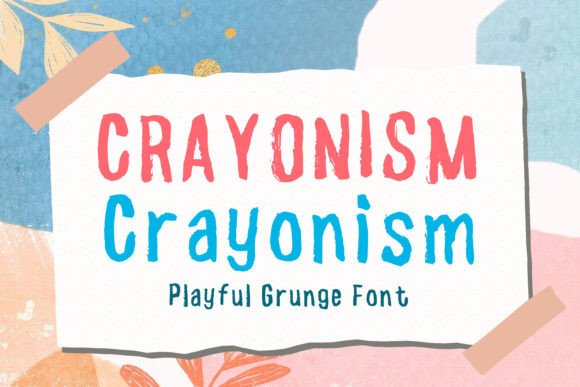
Crayonism is a grunge-style typeface that mimics the look of handwritten text with a rebellious twist. Its jagged edges, uneven strokes, and slightly chaotic structure reflect the rawness of street art and alternative culture. Unlike traditional fonts, which often prioritize uniformity and legibility, Crayonism embraces imperfection, making it ideal for designs that aim to capture attention through personality rather than precision.
The font is built to resemble crayon writing, giving it a nostalgic and youthful appeal. This characteristic makes it especially suitable for themes targeting children or young audiences, where creativity and spontaneity are key. At the same time, its grunge elements add a layer of maturity and edge, appealing to users looking for something unconventional without being unprofessional.
Key Features of Crayonism
- Handwritten Feel: Mimics natural handwriting with variations in stroke width and texture.
- Grunge Elements: Includes cracks, smudges, and rough outlines that evoke a gritty aesthetic.
- High Readability at Larger Sizes: While not recommended for body text, Crayonism shines in headlines, titles, and captions.
- Customizable Style: Works well when layered with textures or colors to match specific design needs.
- Versatile Application: Can be used in digital media, print materials, and even video overlays for added impact.
Why Crayonism Stands Out in the World of Fonts
In an era where typography plays a crucial role in branding and communication, Crayonism offers a distinctive voice. It’s not just another sans-serif or serif option; instead, it provides a sense of authenticity and emotion. The font’s ability to convey a casual, artistic vibe makes it a go-to choice for creators who want their work to feel personal and engaging.
What sets Crayonism apart is its balance between creativity and usability. While many grunge fonts lean too heavily into chaos and become difficult to read, Crayonism maintains enough clarity to remain functional in most contexts. It's this balance that allows it to serve as a bridge between informal and professional settings, depending on how it's applied.
Advantages of Using Crayonism
- Attention-Grabbing: Its irregular style naturally draws the eye, making it excellent for headlines and promotional content.
- Emotional Resonance: Conveys a sense of playfulness or rebellion, depending on the context and color choices.
- Adaptable to Themes: Perfectly complements cartoonish, retro, or alternative aesthetics without clashing.
- Unique Branding Tool: Helps businesses stand out by adding a memorable visual element to their marketing materials.
- Easy Integration: Available in multiple formats, allowing seamless use across design software and platforms.
Real-World Use Cases for Crayonism
Crayonism has found a home in a wide range of applications, from educational materials to business branding. Its flexibility means it can be adapted to suit different purposes while maintaining its signature charm. Here are some of the most common and effective ways designers and creators are using Crayonism today:
Script Writing and Storytelling
When it comes to script writing—especially for animated series, indie films, or children's shows—Crayonism adds a layer of whimsy and originality. The font helps set the tone for creative narratives, particularly those that require a sense of hand-crafted authenticity. For example, a short film about a group of misfit kids might use Crayonism in title cards and dialogue boxes to reinforce the story’s youthful and unconventional spirit.
Presentations and Visuals
Designers and educators alike have started using Crayonism in presentations to break away from the monotony of standard fonts like Arial or Helvetica. When paired with high-contrast colors and dynamic layouts, Crayonism can turn a simple slide deck into an engaging visual experience. It's especially effective for topics related to youth culture, pop art, or DIY movements.
Comics and Graphic Novels
In the world of comics and graphic novels, typography is essential for conveying tone and character. Crayonism fits naturally into these spaces, offering a stylized look that enhances the narrative without overwhelming it. For instance, speech bubbles written in Crayonism could represent a quirky sidekick or a rebellious protagonist, adding depth through visual cues alone.
Food and Beverage Branding
Many food and beverage brands have adopted Crayonism to create packaging and marketing materials that feel approachable and fun. Think of a local juice bar using it for their logo or a bakery incorporating it into social media posts. The font’s organic feel aligns well with artisanal and handmade products, reinforcing the idea of quality and uniqueness.
Children's Books and Educational Materials
For children's books and learning tools, Crayonism introduces a sense of familiarity and excitement. Kids often associate crayons with creativity and play, so using this font can help make educational content more appealing. Teachers and illustrators frequently use it in storybooks, classroom posters, and interactive learning apps to keep young audiences engaged.
Marketing Campaigns and Social Media
Marketers have discovered the power of Crayonism in creating buzzworthy content. From Instagram posts to YouTube thumbnails, the font's eye-catching nature ensures higher visibility. Brands targeting Gen Z or millennial audiences often choose Crayonism to reflect a laid-back, trend-conscious image.
Best Practices When Using Crayonism
While Crayonism is incredibly versatile, it does require thoughtful application to maintain readability and effectiveness. Here are some tips to maximize its potential:
Use Sparingly for Maximum Impact
Because of its bold and textured appearance, it's best to use Crayonism in moderation. Overusing it can lead to visual fatigue and reduce the overall impact of your message. Reserve it for headlines, logos, or call-to-action sections where you want to emphasize a point.
Prioritize Contrast and Legibility
To ensure that your audience can easily read Crayonism, pair it with strong contrast. Dark colors on light backgrounds or vice versa work best. Avoid using small sizes or low-resolution displays where the font's details may get lost.
Combine with Other Fonts for Balance
Crayonism pairs well with cleaner, more structured fonts. For example, you might use it for a headline and then switch to a sans-serif font like Open Sans or Montserrat for body text. This combination keeps the design visually interesting while preserving functionality.
Enhance with Texture and Color
One of the strengths of Crayonism is its compatibility with effects like drop shadows, gradients, and background textures. These enhancements can deepen the mood of your design, whether you're aiming for a whimsical or edgy look.
Who Benefits Most from Crayonism?
Crayonism appeals to a diverse audience thanks to its broad stylistic range. Below are some of the user groups that find it particularly valuable:
Business Owners and Marketers
Entrepreneurs in the food, fashion, or entertainment industries often turn to Crayonism to differentiate their brand. It works especially well for startups and small businesses seeking to build a distinct visual identity. Marketing teams also leverage the font for campaigns that target younger demographics or niche markets.
Content Creators and Influencers
YouTube creators, podcasters, and bloggers use Crayonism to make their thumbnails, intros, and titles more memorable. The font's unique style helps them stand out in crowded feeds and channels, increasing engagement and click-through rates.
Educators and Students
Teachers and students benefit from Crayonism in classroom projects and multimedia assignments. It adds a creative flair to reports, slides, and digital portfolios, helping learners express themselves beyond the limitations of standard fonts.
Graphic Designers and Illustrators
Professionals in the design field appreciate Crayonism for its adaptability and expressive qualities. It's commonly used in poster designs, book covers, and web banners to inject personality into otherwise minimalist compositions.
How to Get Started with Crayonism
Getting started with Crayonism is straightforward. First, locate a reliable source for downloading the font. Many platforms offer free or paid versions, depending on usage rights. Once installed, experiment with different combinations to see how it integrates with your existing design workflow.
Consider practicing with sample projects before applying it to professional work. Try creating a mockup of a children's book cover or a social media post for a fictional brand. This will help you understand how the font behaves in real-world scenarios and develop a better sense of when it's appropriate to use.
Tools and Platforms That Support Crayonism
Crayonism is compatible with most major design tools, including Adobe Photoshop, Illustrator, InDesign, Canva, and Figma. It can also be used directly in web development by embedding the font via CSS. For video creators, programs like After Effects allow for dynamic text animations using Crayonism, opening up new possibilities for storytelling and visual presentation.
Observations and Trends Around Crayonism
As trends in design continue to shift toward more expressive and personalized styles, Crayonism has gained popularity among both amateur and professional creators. It reflects a growing demand for fonts that don't just communicate information but also evoke emotion and style.
One notable trend is the use of Crayonism in hybrid designs—where it’s combined with modern minimalism to create striking contrasts. This technique is especially prevalent in the branding of lifestyle and wellness companies that want to appear both authentic and innovative.
Another observation is the font's increasing presence in digital illustrations and meme culture. Its ability to mimic handwritten notes makes it a favorite for content that feels spontaneous and relatable, such as motivational quotes, infographics, or viral posts.
Comparisons with Similar Fonts
While Crayonism shares similarities with other grunge and hand-drawn fonts, it distinguishes itself through its balanced structure and ease of customization. Compared to fonts like "Bauhaus" or "Tattoo," which are more rigid or thematic, Crayonism offers a smoother integration into a variety of design environments. It’s less aggressive than typical punk-inspired fonts but still retains the necessary grit to make a statement.
Final Thoughts on Crayonism
Crayonism is a powerful tool for anyone looking to infuse creativity into their design projects. Its fusion of grunge aesthetics and a childlike simplicity gives it a unique place in the world of typography. Whether you're a designer, educator, marketer, or hobbyist, understanding how to use Crayonism effectively can elevate your work and connect more deeply with your audience.
By exploring its characteristics, applications, and best practices, you can begin to see how Crayonism isn’t just a font—it's a design philosophy. One that values expression, individuality, and the joy of creation.